Digital Sales Room
By
Averan
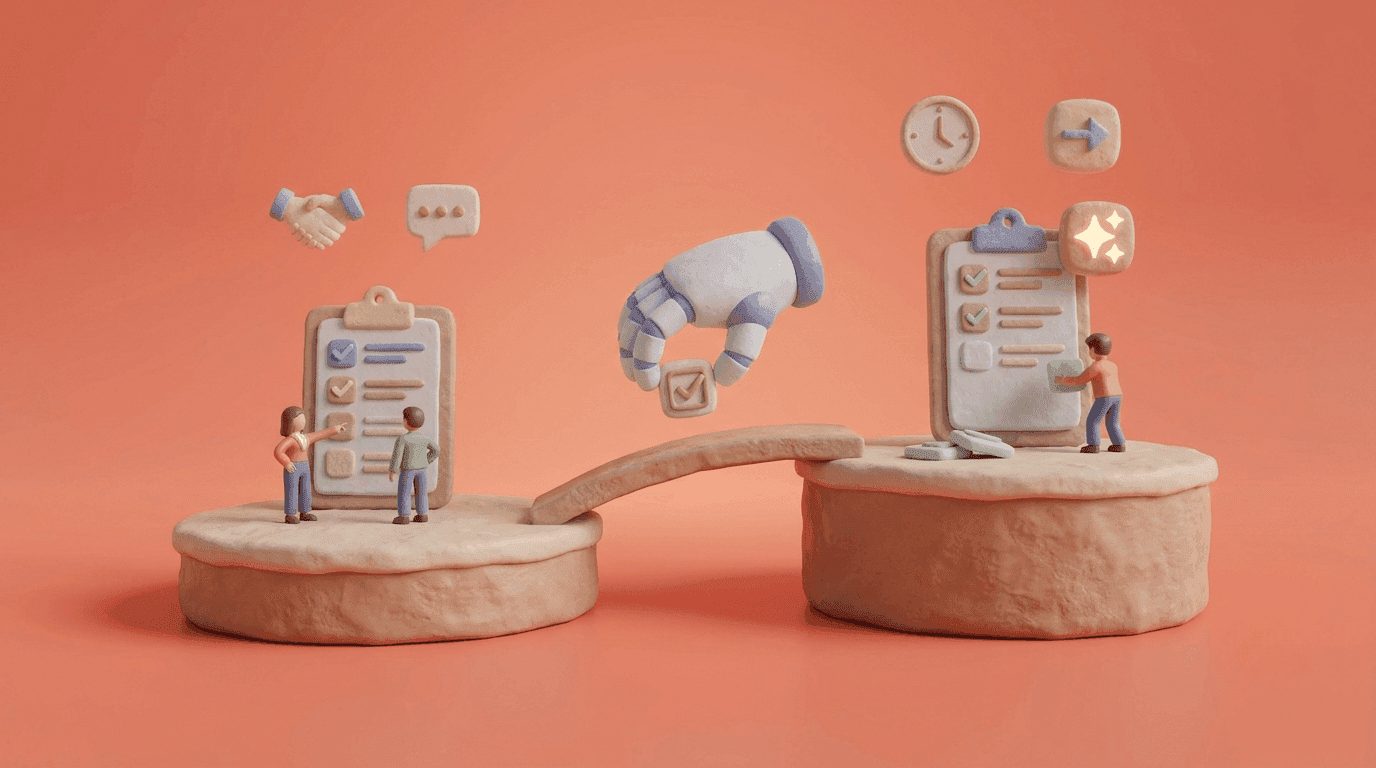
A mutual action plan is one of the few sales artifacts a buyer actually helps build. Both sides agree on the steps, the owners, the dates. It works, while the deal is open. Then the deal closes, and in most tools the plan simply stops. Onboarding starts a new plan from a blank page, as if the first one never existed.
That gap is worth naming directly, because it’s not a small process detail. The mutual action plan is the clearest record of what both sides actually agreed to get done. Losing it at exactly the moment onboarding needs it most is a strange place for a tool to draw the line.
Why does the plan usually stop at signature?
Most digital sales rooms treat the mutual action plan as a sales-cycle artifact, built to get a deal to close and then archived once it does. The tool that ran the plan during the deal typically isn’t the tool onboarding uses to run the account. Even when both live in the same platform, the two are commonly separate objects: one for closing, one for delivering, with nothing built to connect them.
The result is familiar to anyone who has run onboarding after a sale: a project manager opens a blank template and starts asking questions the buyer already answered weeks earlier, on the record, in the plan sales built with them.
What would actually fix this, without overselling how far it goes?
Two things have to both be true. First, the deal stage needs a real, shared place to track commitments while the deal is still open, not a one-off spreadsheet. Second, onboarding needs a fast way to stand up its own plan that isn’t a cold start, ideally starting from a template instead of an empty page.
Projetly’s Deal Room includes a shared task board that both the seller and the buyer work from during the deal, the same kind of collaborative tracking a mutual action plan is built around. Once a deal closes, a team member creates a Project Room for onboarding, and that Project Room comes with AI-generated templates, including a Mutual Action Plan template built for the onboarding stage specifically. The two aren’t the same plan carrying itself forward. They’re two real, live tools, one for the deal and one for onboarding, and a person connects them by starting the Project Room and referencing what the deal-stage board already captured. Worth being precise about that first step too: Project Room creation itself doesn’t have to be manual. Projetly has an opt-in setting that creates the onboarding Project Room automatically, from your default template, the moment a deal closes in Projetly, HubSpot, or Salesforce. What stays manual either way is connecting what the Deal Room task board captured into the Project Room’s Mutual Action Plan template. That’s the step this whole post is about.
Why say “a person connects them” instead of claiming it’s automatic?
Because it is a person’s step today, and claiming otherwise would be the same overselling this post is arguing against. The deal-stage task board and the onboarding-stage AI-generated Mutual Action Plan template are both real and live right now. A single system that watches a deal close and rebuilds the onboarding plan from the sales-stage board without anyone touching it is not live yet. Being precise about that line is exactly the standard this post is holding other vendors to.
What does that manual step actually look like?
Picture a deal that closes on a Friday. During the sales cycle, the seller and buyer had been working from a shared task board in the Deal Room: who owns the security review, when the pilot group gets named, what the buyer’s champion needs from their own IT team before go-live. None of that lived in a private notes doc. Both sides could see it, update it, and check it off as it happened.
On Monday, a team member on the account, sales or CS, opens the closed deal and creates the Project Room. That Project Room comes with an AI-generated Mutual Action Plan template built for onboarding specifically, not a generic project-plan template repurposed for the occasion. The person setting it up still has to look at what the Deal Room task board captured and carry the relevant commitments into the new plan themselves. That’s the manual step: a few minutes of a person reading one board and populating another, not a blank page and not an automatic sync.
What the buyer experiences is the difference. Instead of a CS rep opening the account cold and asking “so what were we supposed to have ready by launch,” the onboarding kickoff starts from a plan that already reflects what was actually agreed, because the person building it had the deal-stage board open in another tab while they did it.
What should you actually ask a vendor about mutual action plans?
Three questions surface the gap fast:
Does the plan exist anywhere before the deal closes, or only after? If commitments only get tracked once onboarding starts, everything from the sales conversation has to be re-asked.
Is the post-close plan a blank template or a head start? A generated starting point beats an empty page, even when a person still has to connect it to what was discussed during the deal.
Who does the connecting, and how long does it take? If the honest answer is “a person, in a few minutes,” that’s a real answer. If a vendor claims it happens with nobody touching it, ask to see it live before believing the claim.
Projetly’s own honest answer to that third question is a person, today: a team member creates the Project Room from the closed deal and picks up the AI-generated Mutual Action Plan template there. That’s the current state, not a future one, and it’s still faster than starting either the tracking or the template from nothing.
How does this connect to the rest of the handoff problem?
A mutual action plan that survives closed-won is one piece of the larger handoff gap this blog keeps coming back to: most digital sales rooms stop at closed won, and the sales-to-CS handoff usually isn’t a discipline problem, it’s an incentive one. A live deal-stage task board plus a real onboarding-stage template doesn’t solve the whole handoff by itself, but it means the plan both sides built together doesn’t have to be reconstructed from memory.
Book a Projetly demo to see the Deal Room task board and the Project Room’s AI-generated templates, or start a free trial.
FAQ
Does Projetly’s mutual action plan carry over automatically at closed won?
Not automatically today. The Deal Room’s shared task board runs during the deal. The Project Room can be created by a team member, or automatically if your org turns on that setting, and either way it comes with an AI-generated Mutual Action Plan template. Connecting what the task board captured into that template is a manual step, not an automatic one.
What’s the difference between the Deal Room task board and the Project Room’s Mutual Action Plan template?
The Deal Room task board is shared with the buyer while the deal is open, tracking commitments as they’re made. The Project Room’s Mutual Action Plan template is AI-generated once onboarding starts, giving the team a real starting point instead of a blank page. Both are live features; they are two separate tools a person connects, not one plan that moves itself.
Which digital sales room tools already support mutual action plans?
Several deal-room platforms support mutual action plans during the sales cycle. Where most fall short is carrying any version of that plan into onboarding at all, a gap this post argues is worth asking every vendor about directly, not just Projetly.
Why does this post avoid saying the handoff is automatic?
Because it isn’t, yet, and claiming otherwise would fail the same “ask to see it live” test this post recommends applying to every vendor. The task board and the onboarding template are both real and live. Connecting them today takes a person, a few minutes, at Project Room setup.
You may also like

A Guide to Project Management Professional Certification

Laugh Your Way to Productivity: 50 Workplace Quotes

50 Funny Workplace Memes That’ll Brighten Your Workday.
What Does a Customer-First Mindset Mean? Explained in 2025

What It Takes to be a Great Customer Success Manager in 2025